The Discovery
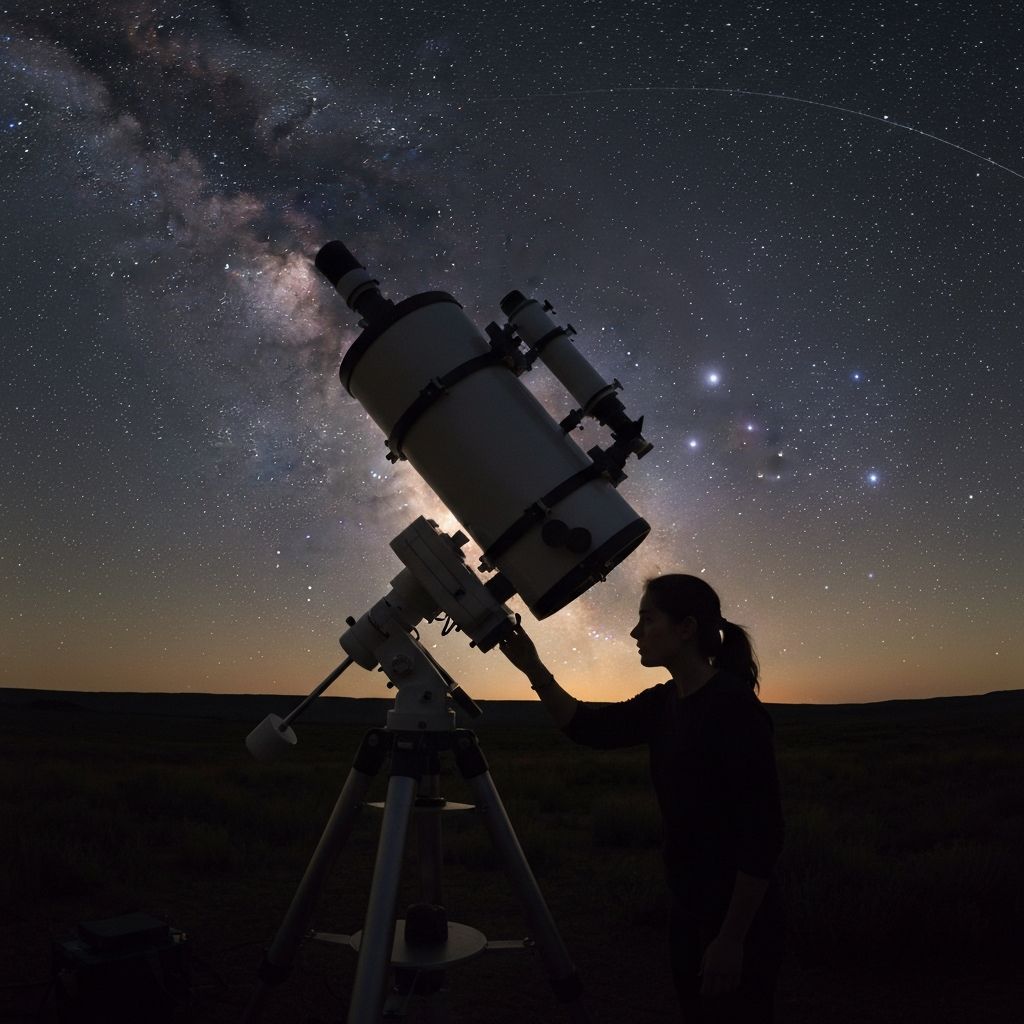
On June 19, 2004, astronomers Roy A. Tucker, David J. Tholen, and Fabrizio Bernardi were conducting routine observations at Kitt Peak National Observatory in Tucson, Arizona, when they spotted something extraordinary — a near-Earth asteroid that would soon become one of the most famous celestial objects in modern astronomy.
Initially cataloged as 2004 MN₄, the asteroid was only observed for two days due to technical issues and weather. But those brief observations were enough to raise alarm bells. Following a close approach to Earth on December 21, 2004, improved orbital calculations revealed a shocking prediction: a 2.7% probability (1 in 37 chance) of Earth impact in 2029. Apophis became the first asteroid ever to reach Level 4 on the Torino Scale — the highest threat rating ever assigned.
"An asteroid of Apophis's size comes this close once every 7,500 years on average. This is likely the first such event in recorded human history — and the first ever when humans have the technology to observe and study it."
— NASA Planetary Defense Coordination Office
A Close Encounter
The alarm was short-lived but dramatic. On December 27, 2004, just days after the initial scare, a "precovery" image from March 2004 was discovered, extending the observation arc and eliminating the 2029 impact possibility. By August 2006, Apophis was downgraded to Level 0 on the Torino scale. Today, NASA has definitively ruled out any impact risk for at least the next 100 years. The 2029 flyby is purely a scientific opportunity — and what an opportunity it is.
Key Facts
- Size: 340m diameter (Eiffel Tower height)
- Closest Distance: 31,600 km (inside satellite orbit)
- Visibility: Naked eye (Magnitude 3.1)
- Close Approach: April 13, 2029
The God of Chaos
On July 19, 2005, the discoverers officially named the asteroid "Apophis" — the Greek name for Apep, the ancient Egyptian serpent deity of chaos and destruction. In Egyptian mythology, Apep was an evil serpent dwelling in eternal darkness who attempted to swallow the sun god Ra each night during his passage across the sky. While the discoverers acknowledged familiarity with the name from the TV series Stargate SG-1, they clarified the asteroid was named for the Egyptian deity, not the TV character.
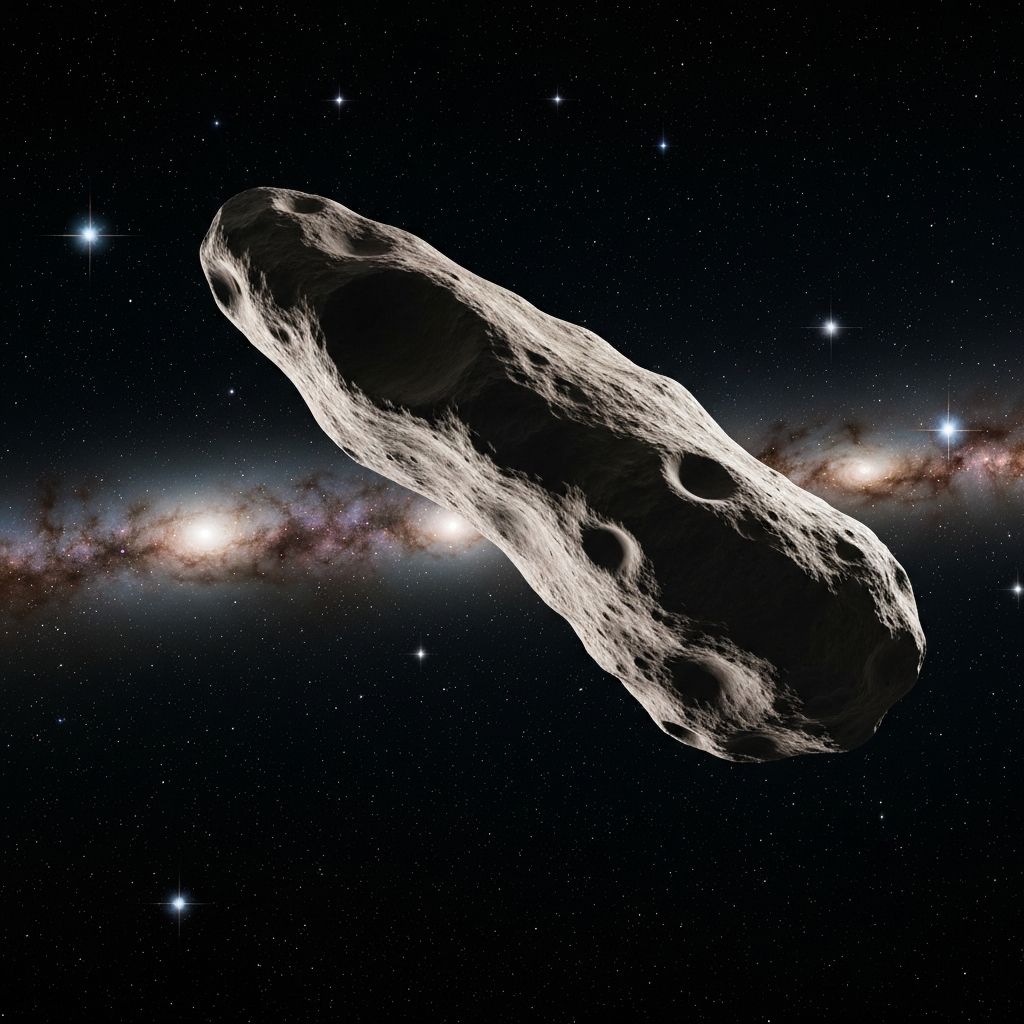
The name proved fitting. Apophis is approximately 340 meters in diameter — roughly the height of the Eiffel Tower — with overall dimensions of 450 × 170 meters. Its shape is bilobed, resembling a "space peanut," possibly indicating it's a contact binary formed when two smaller asteroids merged. Even more unusual, Apophis is a "tumbler" — it doesn't rotate around a fixed axis but exhibits complex non-principal axis rotation, precessing every 27.38 hours while rotating every 263 hours (about 11 days).
What to Expect in 2029
On Friday, April 13, 2029, at 21:46 UTC, Apophis will make its historic approach. Traveling at 7.4 km/s at its closest point, the asteroid will zip across the sky at up to 42° per hour — fast enough to see it move in real time. At its peak brightness of magnitude 3.1, Apophis will be as visible as the stars in the Big Dipper, observable with the naked eye across Europe, Africa, and Western Asia. An estimated 2 billion people will have the opportunity to witness this event — four times more than watched the Apollo 11 Moon landing.
Did You Know?
Earth's gravity will permanently alter Apophis's orbit. The asteroid will transform from an Aten-class to an Apollo-class asteroid, with its orbital period changing from 323.6 days to approximately 428 days. The encounter may also cause "asteroid-quakes," landslides, and surface changes that could reveal fresh, unweathered material beneath — potentially changing its spectral classification from weathered Sq-type to unweathered Q-type.
Scientific Missions
Two spacecraft will study this once-in-a-lifetime event. ESA's Ramses mission will launch in April 2028, arriving in February 2029 — two months before the flyby — to provide crucial "before" observations. NASA's OSIRIS-APEX (the extended mission of OSIRIS-REx, which returned samples from asteroid Bennu) will arrive in late April 2029 for "after" observations, conducting an 18-month study that includes a daring STIR maneuver: firing thrusters within 5 meters of the surface to expose subsurface material.
Together, these missions will provide unprecedented before-and-after data — a first in planetary science — helping us understand how such close approaches affect asteroids and informing future planetary defense strategies. The United Nations has declared 2029 the International Year of Asteroid Awareness and Planetary Defence, recognizing the global significance of this event. Apophis represents not a threat, but an extraordinary opportunity to study, learn, and prepare for our place in the cosmos.