All Articles
Everything you need to know about the 2029 Apophis flyby — from orbital science to naked-eye observation guides.
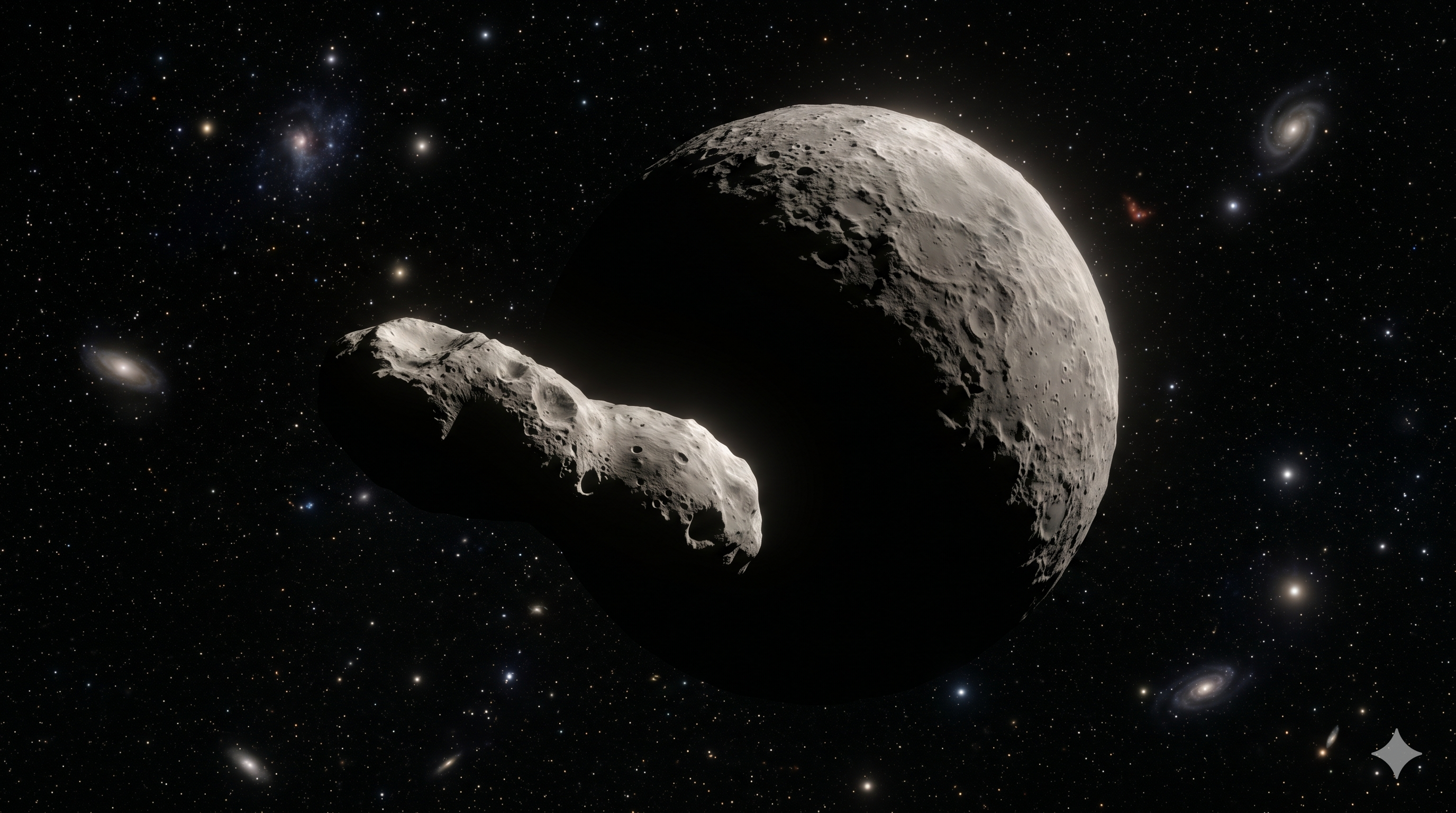
Apophis Will Pass Within 10,000 km of Asteroid Xanthus in December 2026
Eight months before Apophis's historic Earth flyby, the asteroid will encounter 4544 Xanthus with a MOID under 10,000 km—the closest pre-2029 asteroid encounter that researchers have verified poses no collision risk.
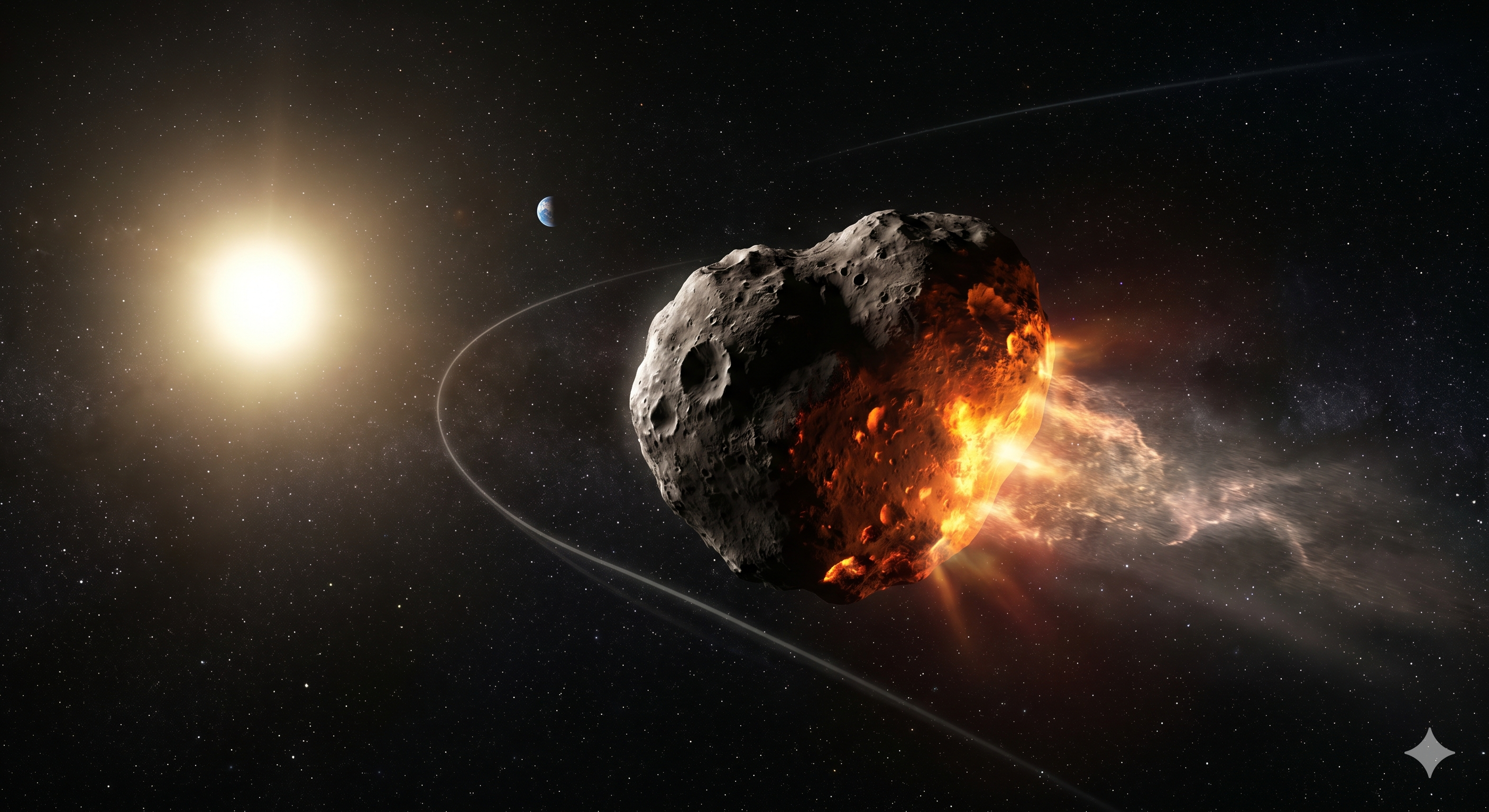
The Yarkovsky Effect: How Sunlight is Slowly Changing Apophis's Orbit
Discover how thermal radiation from sunlight causes Apophis to drift 170 meters per year toward the Sun, and why this tiny force is critical for predicting asteroid trajectories.

How Close Will Apophis Get? Inside the Satellite Belt
Apophis will pass closer to Earth than our geostationary satellites at just 31,600 km. Here's what that means for observation, why satellites are safe, and why this is a once-in-7,500-years event.
Observation Guide for Apophis 2029: Everything You Need to Know
Everything you need to know about observing the historic Apophis flyby on April 13, 2029, from equipment recommendations to timing, visibility zones, and photography tips for the once-in-7,500-years event.

Understanding Apophis's Trajectory: The Orbital Mechanics Behind the 2029 Flyby
Learn about the complex orbital mechanics that will bring Apophis within 31,000 kilometers of Earth, how the 2029 encounter will permanently alter its orbit, and the critical role of the Yarkovsky effect.
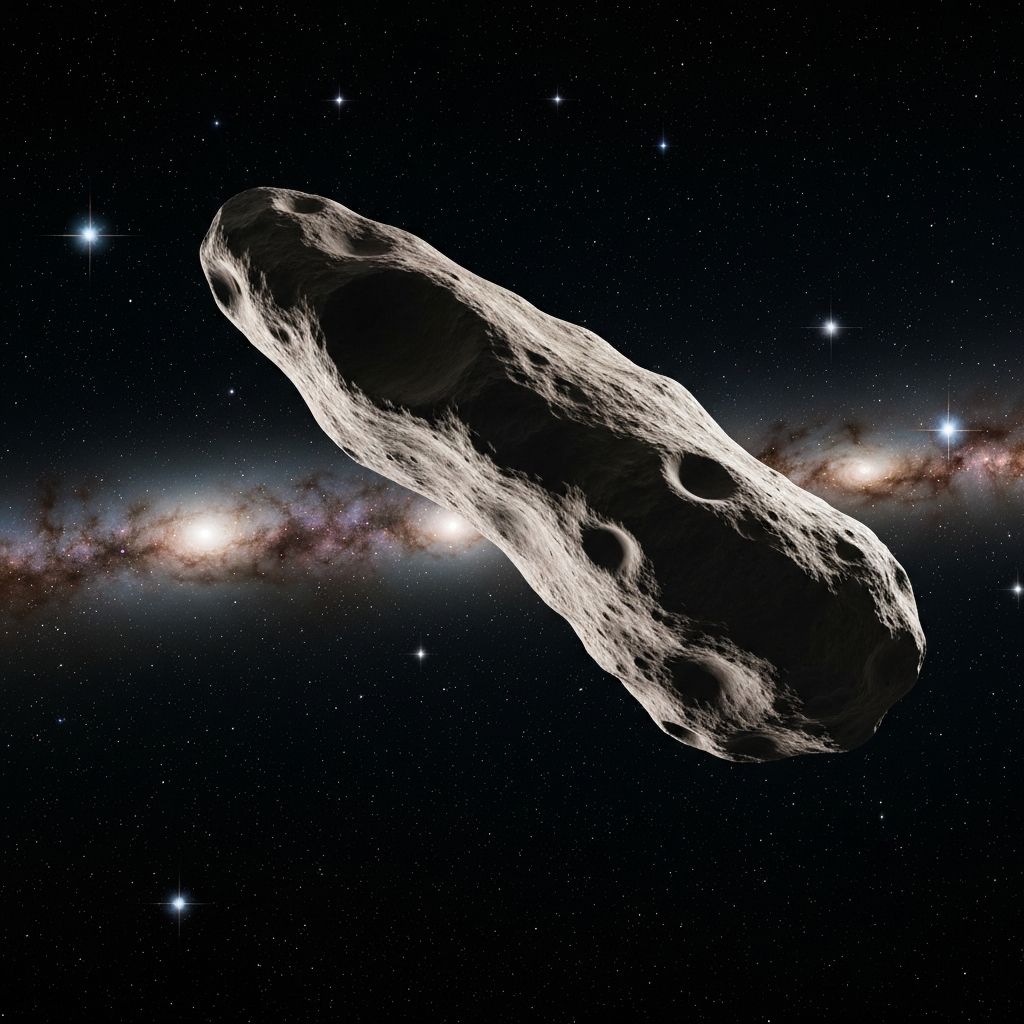
What is Apophis? The God of Chaos and Earth's Historic Close Encounter
On April 13, 2029, asteroid 99942 Apophis will pass just 31,600 kilometers above Earth — closer than our satellites and ten times nearer than the Moon. This once-in-7,500-years event will be visible to 2 billion people and marks the first time in recorded history that humans can witness and study such a close approach.